When the earth asks us to grieve
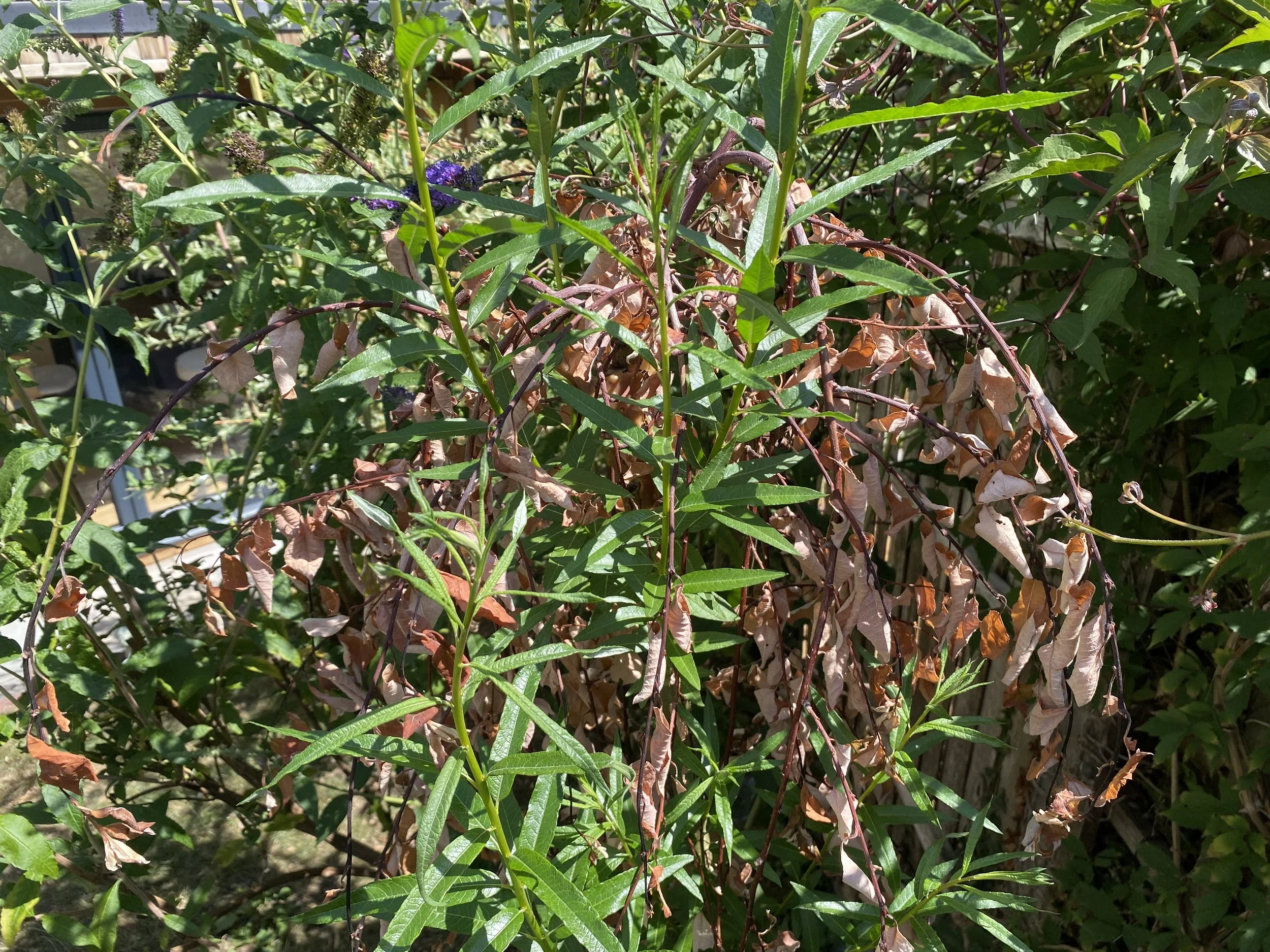
Picture of a willow tree, with dead branches and green shoots
Last year when I invited Francis Weller into Life’s Poetry I asked him what had changed since writing about the gates of grief in The Wild Edge of Sorrow. At the time it was 10 years since he’d written the book and formed the gates of grief in this way. His answer was clear. He said that the sorrows of the world had become more magnified, clearer, far more present. Once a quieter sense of grief, now was pivotal.
As I sit and write these words I can feel this. In some way it sounds obvious, we are in intense times at this point in humanity. But do we see this as grief, something necessary to grieve? We have all these unspoken rules about what we can and cannot grieve. For some it may be that we need to tend to our own personal grief before we can ever let in the enormity of the sorrows of the world, before we can grieve for others, for our earth.
The grief that exists for our world in this very moment is large. The sorrows of the world are vast. There's something in particular that has been on my heart this summer, our climate, our earth. We’re being called to the intimacy of climate grief - can you feel it?
In the UK we’re experiencing heat like we never have before. There’s an intensity that exists which I haven’t felt in this way before. As I feel the sun penetrate my skin and my being, as the fogginess of heat impacts my body, my heart wonders what of our earth. Have we taken too much? What of my children, and future generations? How will they be impacted?
As I watch wild fire rip through a nature reserve on the coast of Suffolk, 371 acres, turning what’s green to ash, what was once alive to something deadened. The pictures of destruction are striking, the pictures of what it has taken to get the ferocity of fire under control reverberate.
Then I turn on my phone and I see a video captured in France, of horses fleeing the fire. You can see the smoke in the sky, the red of the fire. They’ve all been set free in the hope of survival. I wonder what even that says about our world - to be set free in the hope of survival.
Sometimes we can think of the sorrows of the world, of our climate grief as something out there. But it’s here, it always has been, because the earth is our home.
I wonder at what cost do we come to our phones, to AI, to tech, and to the clothes we wear and the things we buy, and the fuel we use. What is the the cost to us, our hearts, our souls, our relationships? The cost to our planet, our home, the earth? The cost to our animal kin, the horses, the birds, our marine life? The cost to our plant kin, the trees, the flowers, the grass scorched brown in these summer days?
Something happened in our ways and we lost something, we lost the thread of what it is to be in relationship with ourselves, with others - and then with all that exists in and of our earth - the plants, the trees, the animals, the insects. We lost the ways of kinship.
Francis Weller calls this time we’re in a time of soul severance. Can you feel it? How does it feel for you? How does it feel in your body? In your being? Can you touch it?
My experience of turning towards this grief is one that took time. I needed to tend to my personal grief. I always say that the gates move in different ways, some will feel more prominent than others. Where once it was the first gate of grief - everything we love we will lose - that consumed me, now others are more prominent. And the world is different, 20 years ago when my own personal grief was wild the world felt different. Now the world is wild. Now the sorrows of the world fill my heart. Climate grief breaks my heart.
This is the beauty of grief, all the ways it opens us. I never expected my grief to bring me to this place. This place where I care so deeply that it hurts. When I want to do as much as I can, not only for me, but for others and for our earth.
And I wonder what would it be to grieve for the earth, the change we see in our climate? What could this look like? What impact may it have?
There's a question I keep hearing, I keep getting asked what can we do? I get asked this question so much. Until now I haven't had an answer, but today the answer feels clear - we become Refugia.
These are the words of Kathleen Dean Moore from the book Great Tide Rising. Kathleen is talking about Mount St Helens, the volcano that blasted a hole in the earth in 1980.
What the scientists know now, but didn’t understand then, is that when the mountain blasted ash and rock across the landscape, the devastation passed over some small places hidden in the lee of rocks and trees. Here, a bed of moss and deer fern under a rotting log. There under a boulder, a patch of pearly everlasting and the tunnel to a vole’s musty nest. Between stones in a buried stream, a slick of algae and clustered dragonfly larvae. Refugia, they call them: places of safety where life endures. From the refugia, mice and toads emerged blinking onto the blasted plain. Grasses spread, strawberries sent out runners. From a thousand, ten thousand, maybe countless small places of enduring life, forests and meadows returned to the mountain.
Kathleen goes on to say …
Even now, we can create small pockets of flourishing, and we can make ourselves into overhanging rock ledges to protect life so that the full measure of possibility can spread and reseed the world.
I believe grief is refugia, a place where life endures. A place where life exists, sometime even more life, when we’re heartbroken and devastated. Grief is the act of refugia. Grief can create small pockets of flourishing.
And so I become refugia, I become grief, I become the roots, the seeds, the holdfast of kelp. I become the small microbiome of life that gives more life. What else can we do during these times?
I become like my defiant willow tree in my garden that was scorched by the sun in its infancy and marvel at the green shoots that are now coming through. Perhaps in climate grief it’s nature that can show us the way? It knows, its wisdom is deep and its natural intelligence far outweighs our own.
And of course, we do none of this alone. We do to this together - not only human to human, but with our plant kin, with our animal kin and so much more.